
Eco-Friendly Construction Practices
We believe that every project should have a minimal impact on the environment, and that starts with eco-friendly construction practices. At Azwa Group, we meticulously select materials, processes, and technologies that not only meet industry standards but also exceed expectations in environmental responsibility. From the beginning, we focus on using renewable resources, reducing waste, and ensuring energy efficiency throughout the entire construction cycle. Our goal is to reduce our carbon footprint while maintaining high-quality, durable developments that are built to last. Every step of the construction process, from initial design to final execution, reflects our commitment to sustainable building practices.
- Use of sustainable and recycled construction materials to reduce waste.
- Implementation of energy-efficient building designs that lower consumption.
- Reduction of construction waste through reusing and recycling materials.
- Utilization of green-certified technologies and equipment to enhance efficiency.
- Integration of renewable energy systems, like solar panels, into our projects.
- Promoting low-carbon footprint construction practices, ensuring minimal environmental disruption.
 Eco-Friendly
Community-Centric Green Spaces
Our commitment to sustainability extends beyond the buildings we create; it encompasses the communities we serve. At Azwa Group, we understand the value of green spaces in enhancing the quality of life for residents and visitors alike. We are passionate about creating vibrant, green communities that foster environmental harmony. By prioritizing the incorporation of parks, gardens, and open spaces into our developments, we ensure that these spaces not only benefit the environment but also provide areas for relaxation, recreation, and social interaction. Our green spaces are thoughtfully designed to support biodiversity, enhance air quality, and promote wellness, all while ensuring sustainability in every aspect of design and maintenance.
- Creation of parks and open spaces for recreational and community purposes.
- Designing landscapes that support local flora and fauna to enhance biodiversity.
- Encouraging urban forestry, rooftop gardens, and vertical gardening initiatives.
- Promoting accessibility to green spaces to ensure community engagement with nature.
- Use of native plants to reduce water usage, lower maintenance needs, and improve resilience.
- Enhancing air quality through well-planned greenery and tree canopies that combat pollution.
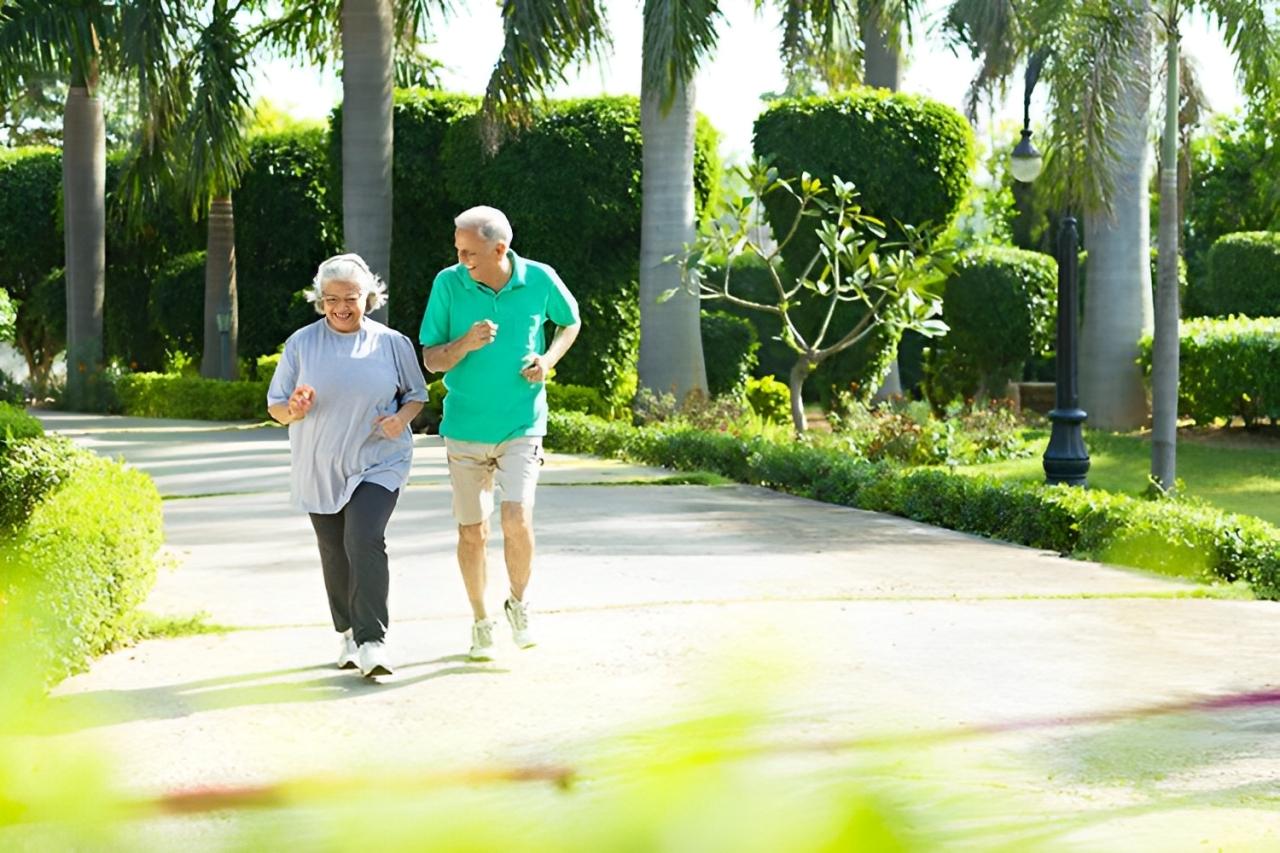 Wellness